
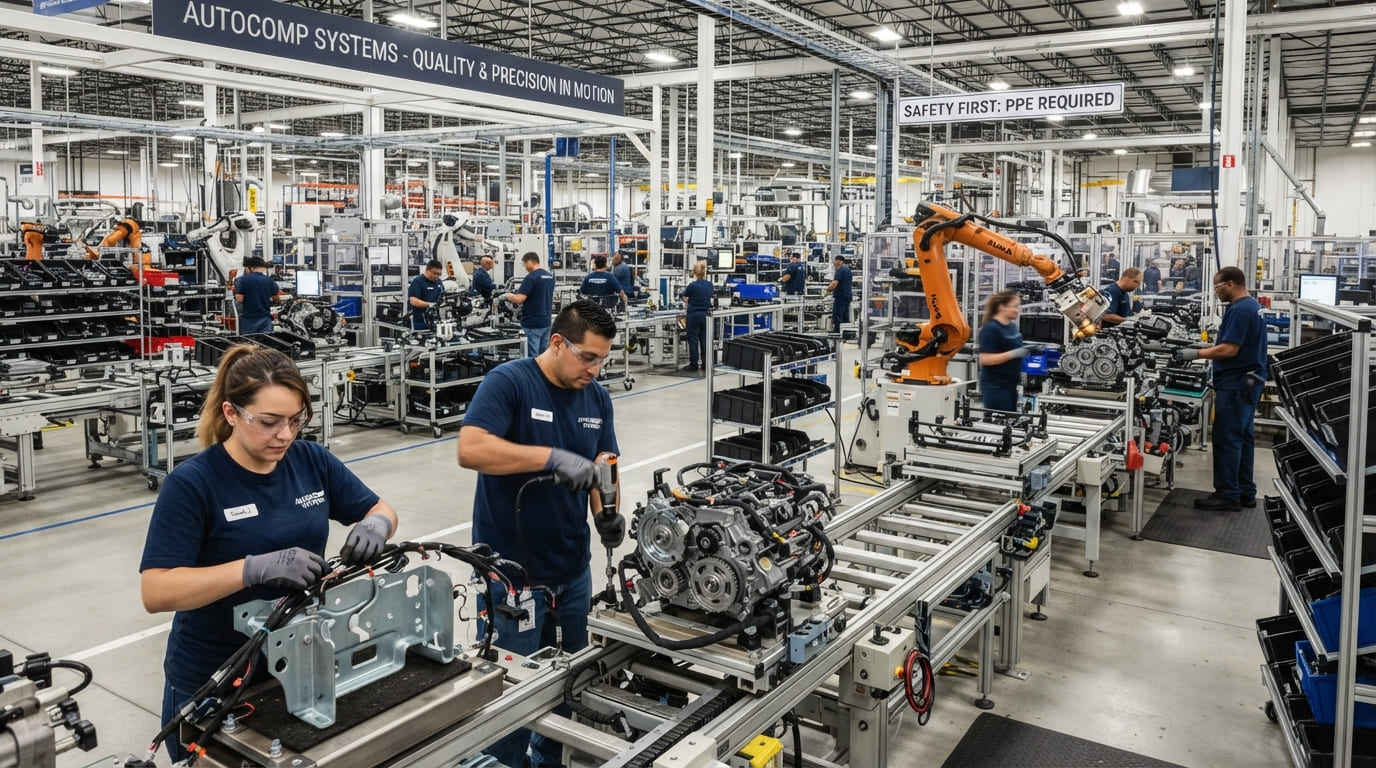
Setting Up an Automotive Supplier Company in Brazil
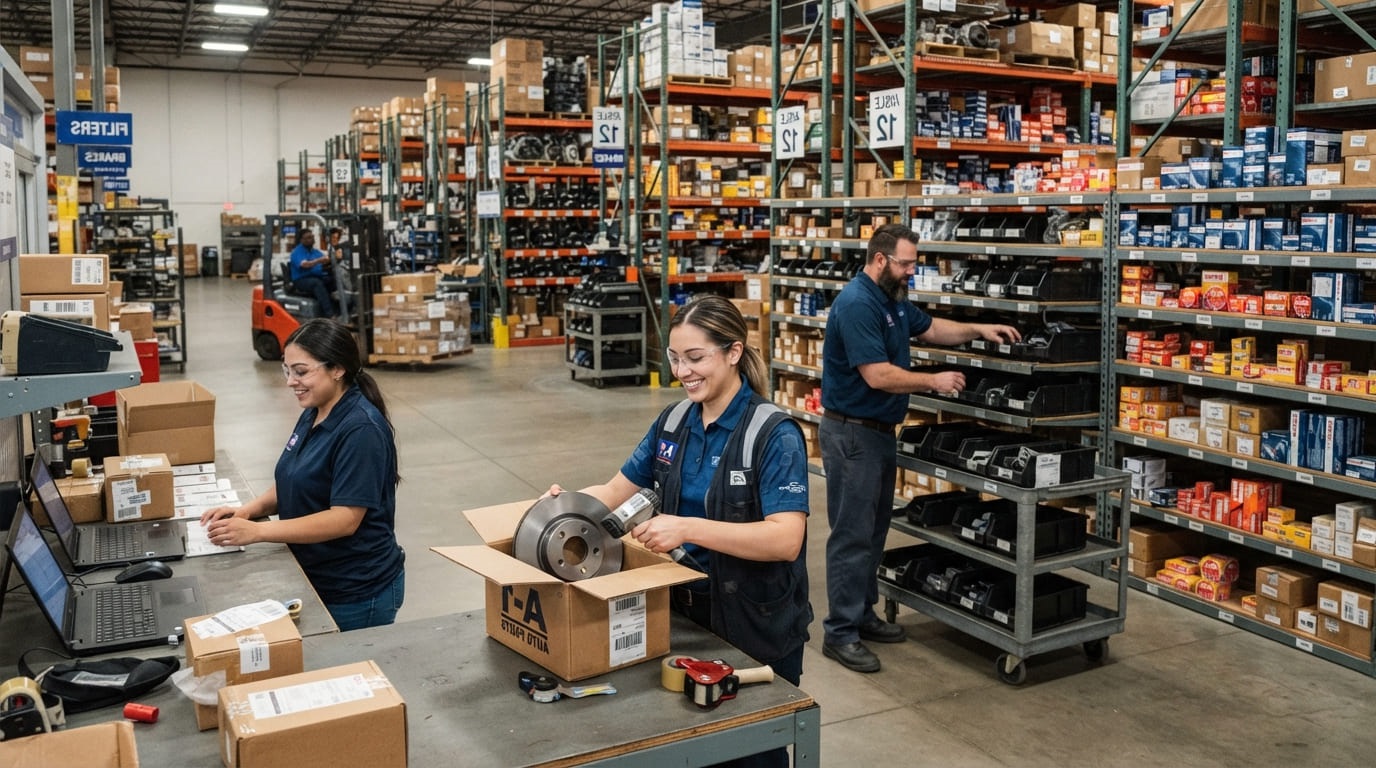
Brazil has one of the largest automotive markets in Latin America and a long industrial history in vehicles, auto parts, buses, trucks, agricultural machinery and mobility solutions. For foreign automotive suppliers, Brazil can be a strategic base for manufacturing, assembly, local sales, aftermarket distribution or supply to global OEMs already operating in the country.
But opening an automotive supplier company in Brazil requires more than incorporation. The investor needs to plan taxes, payroll, import routines, local invoicing, transfer pricing, reporting, incentives and compliance with the Brazilian automotive industrial policy.
Rodrigo Ribeiro, partner at CLM Controller, summarizes the main risk:
“Many foreign suppliers look first at the commercial opportunity. In Brazil, the accounting and tax structure must be designed before the first invoice, because pricing, imports, payroll and incentives all depend on it.”
CLM Controller supports foreign companies with company setup, accounting, tax, payroll and financial routines in Brazil. See [CLM Controller in English](https://clmcontroller.com.br/en/).
Why Brazil is relevant for automotive suppliers

Brazil has a complete automotive ecosystem, including OEMs, parts suppliers, logistics operators, engineering centers, dealerships and aftermarket companies. Foreign suppliers may enter the country to serve:
– passenger vehicle manufacturers;
– truck and bus manufacturers;
– electric mobility projects;
– battery and charging infrastructure companies;
– agricultural and construction machinery producers;
– aftermarket distribution channels;
– local assembly operations.
The Brazilian government also created the MOVER program, officially the Green Mobility and Innovation Program. According to the Ministry of Development, Industry, Commerce and Services, MOVER is the Brazilian automotive industrial policy and is aligned with decarbonization, competitiveness, technological development and integration into global value chains. Official source: [MDIC MOVER Program](https://www.gov.br/mdic/pt-br/assuntos/sdic/setor-automotivo/programa-mover).
What foreign automotive suppliers need before opening in Brazil

Before incorporating, the foreign company should define its business model. The tax and compliance setup changes depending on whether the company will manufacture, import, distribute, provide engineering services or sell to related parties.
Key questions before incorporation
The investor should answer:
– Will the Brazilian company manufacture locally or import finished parts?
– Will it sell to OEMs, distributors or related companies?
– Will it hold inventory in Brazil?
– Will it hire engineers, salespeople, warehouse staff or factory workers?
– Will it use local suppliers?
– Will it export from Brazil?
– Will it apply for MOVER or other incentives?
– Will the parent company charge royalties, technical services or management fees?
These answers influence the tax regime, accounting setup, payroll routines and transfer pricing controls.
Company setup and CNPJ

Most automotive suppliers enter Brazil through a Brazilian subsidiary, commonly a Limitada. The company needs a CNPJ and local registrations before operating. Official business registration and CNPJ information can be found through [Redesim](https://www.gov.br/empresas-e-negocios/pt-br/redesim) and [Receita Federal CNPJ](https://www.gov.br/receitafederal/pt-br/assuntos/orientacao-tributaria/cadastros/cnpj).
State and municipal registrations
Automotive suppliers that sell goods usually need state tax registration because goods circulation is subject to state-level tax rules. Service activities may also require municipal registration. The exact setup depends on the state, city, CNAE codes and operating model.
CLM Controller’s [paralegal and company registration support](https://clmcontroller.com.br/en/) can help coordinate these steps.
Tax structure for automotive suppliers
Brazilian automotive suppliers usually need to manage:
– corporate income tax;
– social contribution on profits;
– consumption taxes;
– payroll taxes;
– import taxes;
– transfer pricing;
– tax credits;
– electronic invoices;
– tax reform transition rules.

Lucro Real is often the main regime
For medium and large industrial companies, Lucro Real is commonly the relevant corporate income tax regime. It requires detailed accounting and allows the company to calculate tax based on actual taxable profit.
For automotive suppliers, Lucro Real may be important because of inventory, imports, fixed assets, depreciation, R&D expenses, tax credits and related-party transactions.
Indirect taxes and the tax reform
Brazil is transitioning to a new consumption tax model under Constitutional Amendment 132/2023. Foreign suppliers should understand both current rules and the future CBS and IBS model. Official source: [Constitutional Amendment 132/2023](https://www.planalto.gov.br/ccivil_03/constituicao/emendas/emc/emc132.htm).
The reform is especially relevant for companies with national supply chains because credits, destination-based taxation, pricing and ERP configuration may change during the transition.
MOVER program and automotive incentives

The MOVER program was created by Law 14,902/2024 and replaced Rota 2030. According to the MDIC, MOVER supports technological development, global competitiveness, decarbonization and a low-carbon economy in vehicles, trucks, buses, chassis, self-propelled machines and auto parts.
The program includes:
– mandatory requirements for new vehicles;
– energy efficiency rules;
– recyclability rules;
– safety and driver assistance technology requirements;
– integrated vehicle labeling;
– R&D and technological production incentives;
– rules for non-produced auto parts;
– FNDIT funding mechanisms.
Official source: [MDIC MOVER Program](https://www.gov.br/mdic/pt-br/assuntos/sdic/setor-automotivo/programa-mover).
Why this matters to suppliers
A foreign supplier may not only sell parts. It may become part of an incentive, localization, engineering or decarbonization strategy. The accounting system must track eligible R&D, fixed assets, production investment, imports and tax credits separately.
Importing parts, machinery and tooling
Many automotive suppliers start by importing components, tooling, molds, machinery or test equipment. This requires:
– importer registration;
– customs planning;
– product classification;
– import tax calculation;
– inventory accounting;
– electronic invoicing;
– landed cost control;
– transfer pricing review.
If the company imports from a related party, transfer pricing documentation becomes even more important.
Payroll and hiring in Brazil
Automotive suppliers often hire engineers, sales teams, warehouse staff, finance professionals and factory employees. Brazilian payroll requires monthly compliance with labor, social security and tax reporting.
The company should define:
– employment contracts;
– benefits;
– union category;
– overtime policy;
– occupational health and safety;
– expatriate treatment;
– payroll approval flow;
– eSocial reporting.
CLM’s [payroll outsourcing](https://clmcontroller.com.br/en/) and accounting support can reduce errors in the first months of operation.
Reporting to headquarters
Foreign automotive suppliers usually need monthly reports in English and in the format used by the parent company. The Brazilian entity also needs local statutory books and tax filings.
Recommended monthly package:
– balance sheet;
– profit and loss;
– cash flow;
– tax summary;
– payroll summary;
– inventory report;
– import cost report;
– fixed asset schedule;
– intercompany report;
– compliance calendar status.
How CLM Controller can help

CLM Controller can support automotive suppliers with:
– company incorporation and CNPJ;
– accounting outsourcing;
– tax compliance;
– payroll outsourcing;
– financial BPO;
– MOVER-related accounting controls;
– import and invoice support;
– monthly reporting to headquarters;
– tax planning and compliance calendar.

FAQ
Can a foreign auto parts company open a subsidiary in Brazil?
Yes. Many foreign suppliers operate through a Brazilian subsidiary with CNPJ, local tax registrations, bank account, accounting books and payroll setup.
What is MOVER in Brazil?
MOVER is Brazil’s Green Mobility and Innovation Program. It is the country’s automotive industrial policy focused on innovation, decarbonization and competitiveness.
Does an automotive supplier need state tax registration?
Usually yes, if it sells goods or holds inventory. The requirement depends on the activity, state and operating model.
Is Lucro Real required for automotive suppliers?
Not always, but many medium and large industrial suppliers use Lucro Real because of revenues, credits, inventory, imports and investment structure.
Can CLM support monthly reporting to a foreign parent company?
Yes. CLM Controller supports international companies with accounting, tax, payroll and customized reporting for headquarters.


0 Comments